Rainwater insights
How Much Rainwater Can You Actually Collect in Texas?
Published January 13, 2026
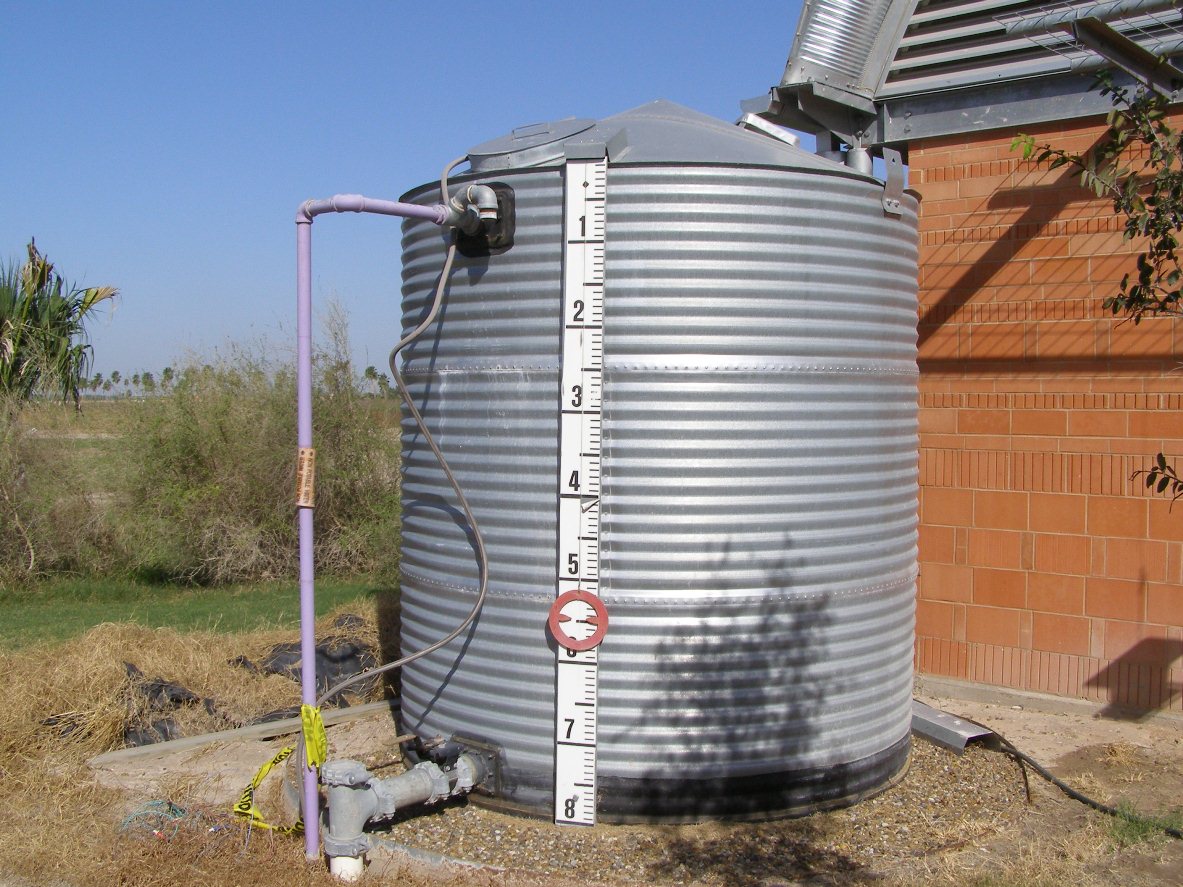
Rainwater harvesting often sounds appealing, but before anyone considers tanks, gutters, or filters, the same question always comes up.
How much water can I actually collect from my roof in Texas?
The answer is more straightforward than most people expect. With a basic understanding of rainfall, roof area, and storage, rainwater harvesting becomes a predictable water source rather than a guessing game.
This post walks through the simple math and explains what is realistically achievable across Texas using long-term rainfall data.
The Simple Math Behind Rainwater Collection
A commonly used rule of thumb for rainwater harvesting is:
1 inch of rain on 1 square foot of roof produces about 0.62 gallons of water
This value already accounts for small losses from roof wetting, minor splashing, and system inefficiencies. For most well-designed systems, it provides a reliable starting point.
A more complete estimate looks like this:
Gallons collected = Roof area × Rainfall × Collection efficiency
For most residential systems, collection efficiency typically falls between 80 and 90 percent, depending on roof material and maintenance.
Rainfall in Texas Is Highly Variable

Texas does not have one rainfall pattern. Annual precipitation varies dramatically across the state.
- Far West Texas may receive less than 10 inches per year
- Much of Central Texas averages 30 to 40 inches per year
- East Texas commonly exceeds 50 inches per year
Just as important as the total amount of rain is how it arrives. Texas rainfall often comes in short, intense storms separated by long dry periods. This makes storage capacity just as important as annual rainfall totals.
A Realistic Example Using a Typical Texas Home
Consider a home with:
- Roof catchment area: 3,000 square feet
- Monthly rainfall: 2 inches
- Collection efficiency: 85 percent
Estimated monthly collection:
3,000 × 2 × 0.62 × 0.85 ≈ 3,160 gallons
In wetter months, the total may be much higher. In drier months, it may be much lower. Over time, these swings determine how useful a rainwater system will be.
Why Annual Rainfall Alone Is Misleading
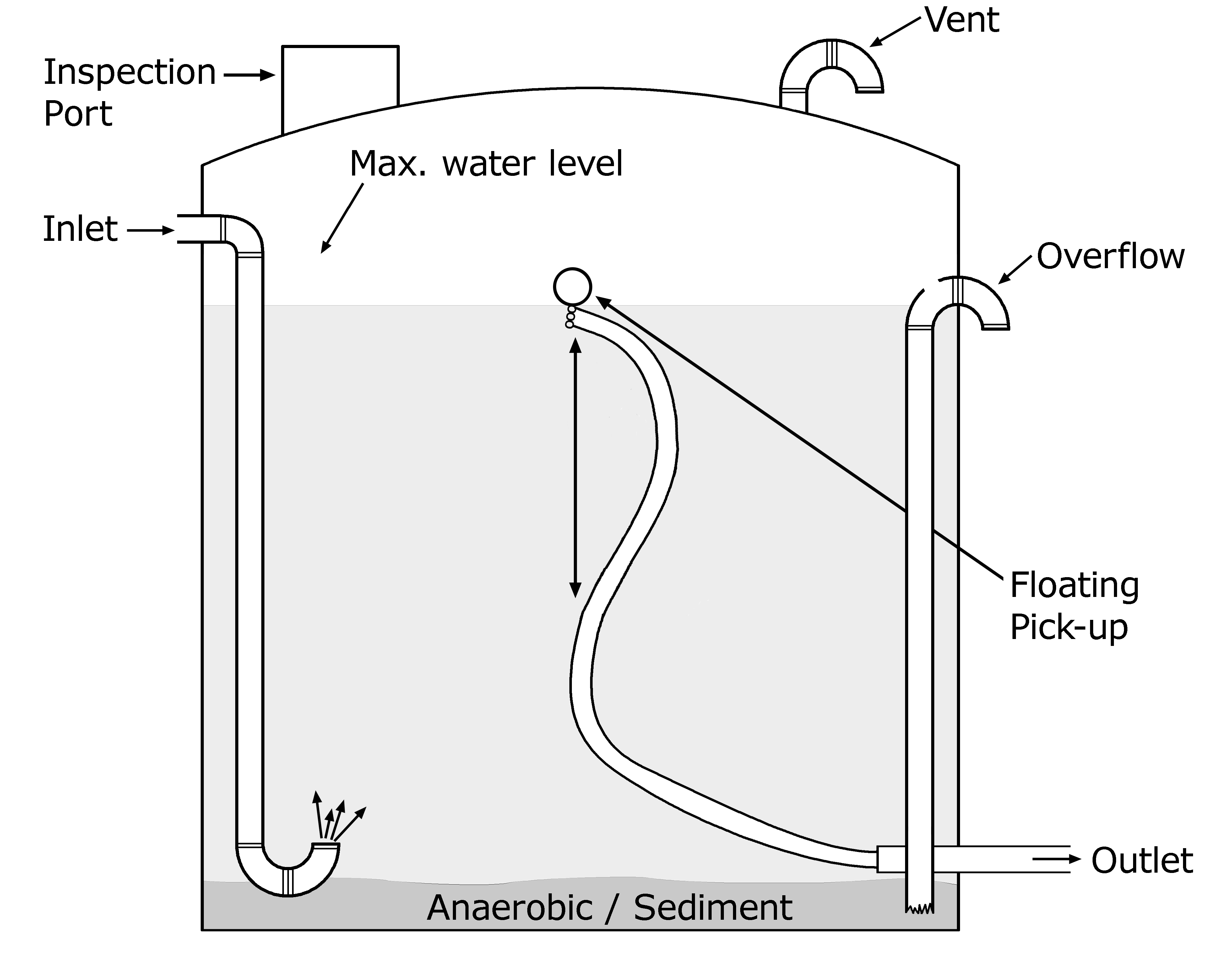
Annual rainfall totals are often quoted, but rainwater systems live and fail on monthly and seasonal variability.
If a large storm fills a tank that is already near capacity, excess water is lost as overflow. If a long dry spell follows, even a full tank can be depleted quickly.
This is why rainwater systems must be designed around:
- Monthly rainfall patterns
- Expected water use
- Available storage
Rather than annual rainfall alone.
How Much Water Can Rainwater Reliably Provide?
Research using decades of daily rainfall data across Texas shows that rainwater harvesting can be designed to provide a dependable supply statewide when expectations are realistic and storage is properly sized.
For a typical home with about 3,000 square feet of roof area and tens of thousands of gallons of storage, rainwater can reliably support:
- Livestock watering
- Landscape irrigation
- Backup household supply
- Partial or full indoor use with proper treatment
In wetter parts of Texas, higher daily use can be supported. In drier regions, lower daily use or additional storage is required. The key takeaway is that rainwater harvesting is scalable and adaptable.
What This Means in Practice
Rainwater harvesting works best when it is treated like any other water supply.
That means:
- Matching supply to realistic demand
- Accepting that rainfall is variable
- Using storage to manage that variability
When those factors are accounted for, rainwater harvesting becomes a practical tool rather than an emergency backup.
Turning Estimates Into Better Decisions
Rules of thumb are useful for quick estimates, but more detailed tools that use long-term rainfall records can provide a clearer picture of how a specific system will perform over time.
These approaches help answer questions like:
- How often might a tank run dry?
- How much storage meaningfully improves reliability?
- Where is the point of diminishing returns?
Those questions are where rainwater harvesting shifts from theory to design.
Try It for Your Location
Rainfall varies widely across Texas, even between nearby towns. The easiest way to understand what rainwater harvesting can realistically provide is to look at your specific location.
Using long-term historical rainfall data, you can estimate:
- How much rainwater your roof can collect
- How storage size affects reliability
- How much water may be available month to month
You can explore this using the rainwater calculator here:
By entering your location, roof area, and tank size, you can move beyond averages and see how a system would have performed through wet years and dry years alike.
This kind of location-specific analysis helps turn general estimates into informed decisions.
Final Thoughts
Rainwater harvesting in Texas is not about perfect rainfall or ideal conditions. It is about understanding variability and designing systems that can work with it.
With a realistic view of rainfall, roof area, and storage, rainwater can be a dependable and locally controlled water supply across much of the state.
Future posts will explore how tank size affects reliability, how rainwater compares to groundwater wells, and how real Texas homeowners are using rainwater systems today.
Reference
Briones, R.O., and Mace, R.E. (2025). Reliable Rainwater Is Only a Roof Away: The Firm Yield of Rainwater Harvesting in Texas. Meadows Center for Water and the Environment, Texas State University.
Link to report